Sass Jordan × ImmunityBio +10.8% × Gabe Reid
JAEV, Content, 4 October 2026
On 4 October 2026, the Wikipedia article on Sass Jordan was read 224,485 times, 3,034 times more than a week earlier. ImmunityBio rose 10.8 % on the Nasdaq on Friday 2 October, the last day of trading before. The article on Gabe Reid was read 48,506 times, 2,205 times more than a week earlier. This work takes its title from them. Its image is made from this text.
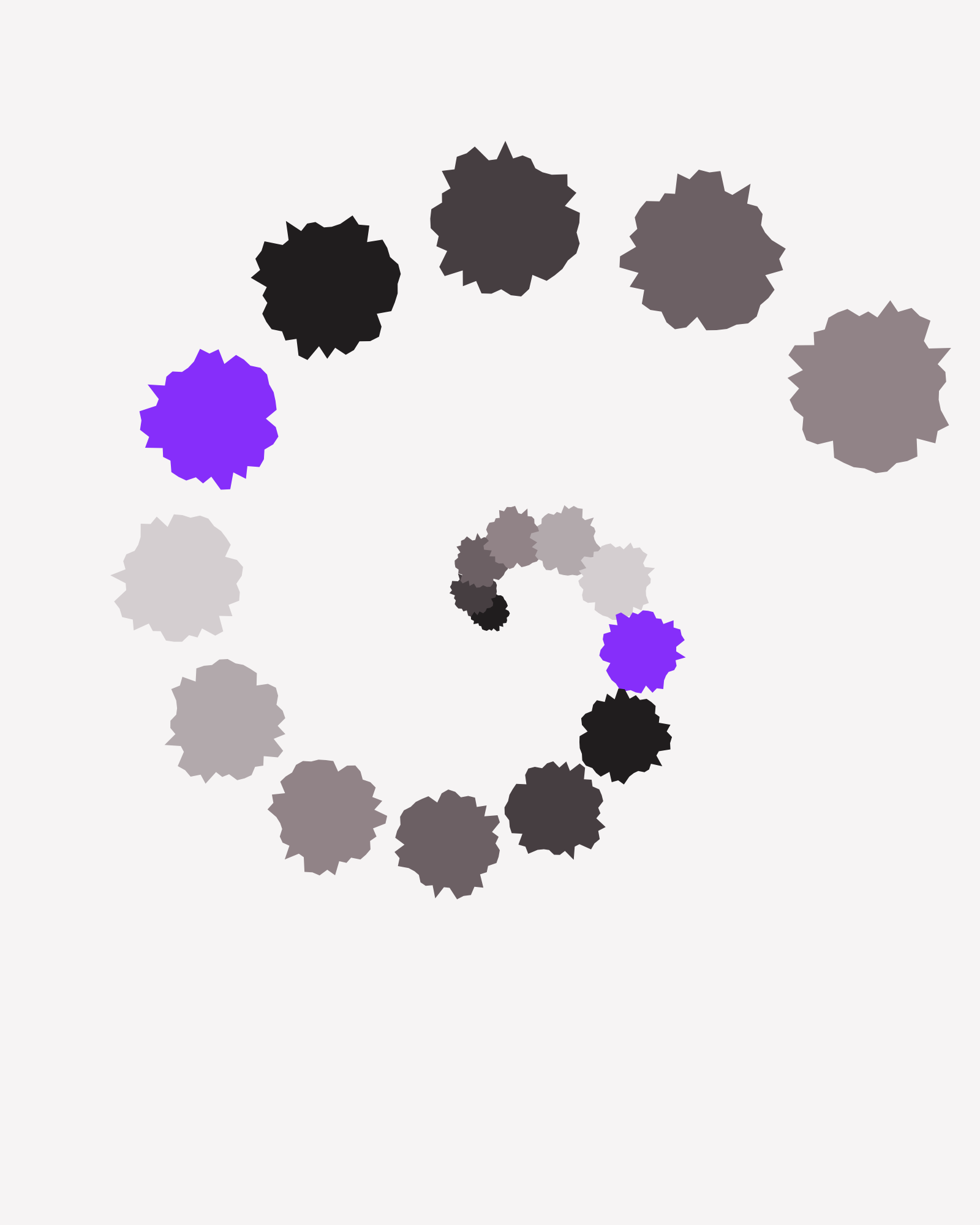
The day's attention
The work was made on 7 October 2026 from three measures of attention. The Wikipedia figures are for 4 October 2026, the share price for Friday 2 October 2026.
Wikipedia: Sass Jordan
On 4 October, the English Wikipedia article on Sass Jordan, described by Wikipedia as “Canadian rock singer-songwriter (1960–2026)”, was read 224,485 times, the 10th most read article on English Wikipedia that day. A week earlier it was read 74 times. Over the last thirty days its readership peaked on 4 October, with 224,485 readers. The article exists in 9 language editions of Wikipedia.
| French | Sass Jordan | 13,467 |
| German | Sass Jordan | 10,564 |
| Dutch | Sass Jordan | 2,987 |
| Spanish | Sass Jordan | 918 |
| Italian | Sass Jordan | 491 |
Nasdaq: ImmunityBio
ImmunityBio (IBRX) rose 10.8 % on Friday 2 October, the last day of trading before 4 October, from $9.28 to $10.29 a share. Among Nasdaq-listed companies worth more than five billion dollars, it was the third largest move of the day. 31,251,550 shares changed hands, and the company is valued at about $10.3 billion.
Wikipedia: Gabe Reid
On 4 October, the English Wikipedia article on Gabe Reid, described by Wikipedia as “American football player (born 1977)”, was read 48,506 times, the 65th most read article on English Wikipedia that day. A week earlier it was read 22 times. Over the last thirty days its readership peaked on 4 October, with 48,506 readers. The article exists in 2 language editions of Wikipedia.
| Arabic | غابي ريد | 1 |
Bluesky trends were not recorded before the series began on 8 October 2026, so the works for the week before take their third part from the second-fastest-rising Wikipedia article instead.
The work
The text at the top of this page was turned into a fingerprint, the SHA-256 hash below. The hash chose one possibility in each part of the work:
| Composition | spiral |
| Shape | blob |
| Edge | smooth |
| Colours | mono |
| Movement | jitter |
| Symmetry | none |
| Layers | 1 layer |
| Palette |
341790d3d837f7e997b1559f0e6efa63c848a603424b8a83c5317f2ffab3ca91
Sources: Wikipedia and Wikimedia pageviews; Nasdaq.
How the works are made
Every morning the gallery's server collects three measures of attention from the previous day: the Wikipedia article whose readership rose the most, the share on the Nasdaq that moved the most, and a topic trending on Bluesky. Their names become the title of the day's work. A short text records the numbers behind them.
The image is made from that text and nothing else. The text is turned into a fingerprint, a long number that changes completely if a single character changes. The number makes one choice in each of seven parts of the work: composition, shape, edge, colours, movement, symmetry and layers. The same text always gives the same work.
Nobody chooses the topics. A wedding, a share price, a film, an election or a death can become a title; the system treats them all the same, as the attention economy does. The title is chosen for attention. The image says nothing about its subject. It is an honest trace of a day's attention, but not an explanation of it.
The titles are written to be found by search engines, because being found is what they are about.